- 13 Dec, 2025
Zyn vs. Vaping vs. Cigarettes: Which Is Hardest to Quit?
You’ve probably heard someone say, “At least it’s not cigarettes.” Whether they’re defending their Zyn habit or justifying their vape cloud, there’s a common assumption that some nicotine products are easier to quit than others. But is that actually true? Let’s break down the science, the struggles, and the real-world experiences of quitting each one.
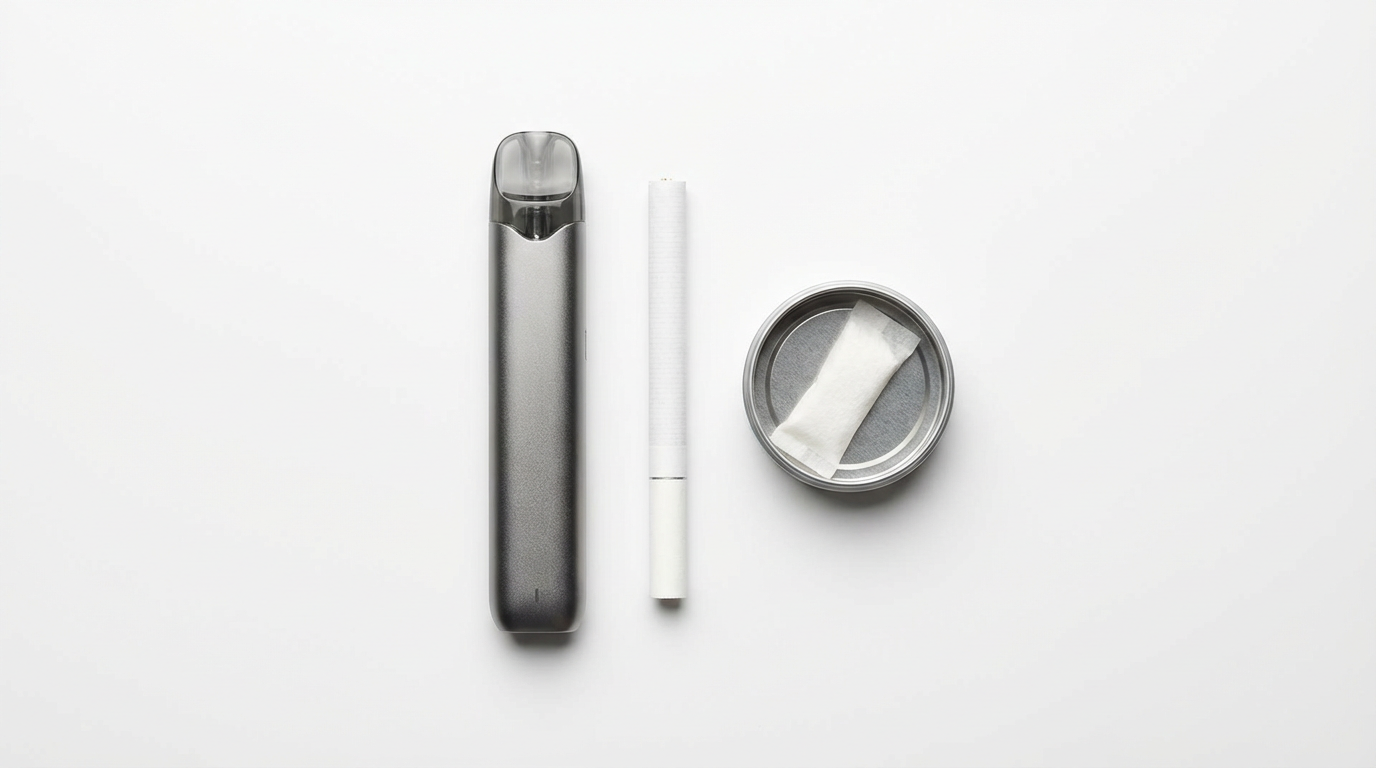
The Nicotine Delivery Showdown
Before we dive into quit difficulty, let’s understand how each product gets nicotine into your system—because the how dramatically affects the how hard to quit.
Cigarettes: The OG Addiction Machine
Cigarettes deliver nicotine through smoke inhalation, hitting your brain in about 10 seconds. This lightning-fast delivery creates an intense dopamine spike, followed by a crash that has you reaching for another within an hour.
Addiction factors:
- 7,000+ chemicals create multiple dependencies
- Hand-to-mouth ritual deeply ingrained
- Social and environmental triggers everywhere
- Average addiction timeline: 2-3 weeks of regular use
Vaping: The Modern Nicotine Firehose
E-cigarettes vaporize liquid nicotine, delivering it almost as fast as cigarettes. Some devices now deliver 2-3x more nicotine per puff than traditional cigarettes.
Addiction factors:
- Can be used constantly (no “finishing” a cigarette)
- Flavors mask harshness, encouraging deeper inhales
- Discrete enough to use anywhere
- Many users don’t realize their nicotine intake level
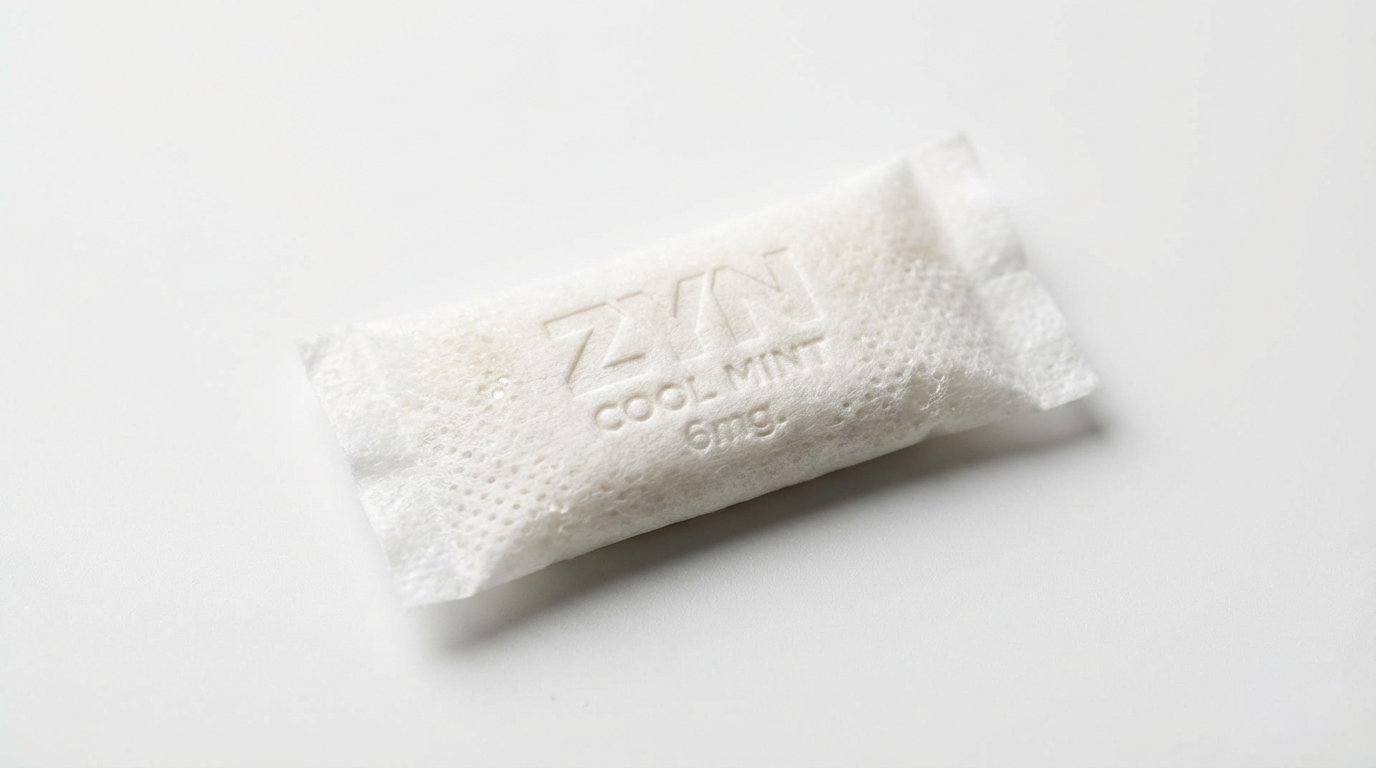
Nicotine Pouches (Zyn): The Stealth Addiction
Pouches release nicotine through your gum tissue over 20-30 minutes. While slower than smoking or vaping, this steady drip creates its own dependency pattern.
Addiction factors:
- Completely invisible—use anywhere, anytime
- No natural stopping point (can always pop another)
- Often used in addition to other nicotine products
- The “clean” image makes users underestimate addiction risk
Breaking Down Withdrawal: What Each Feels Like
Cigarette Withdrawal
Peak intensity: Days 2-3 Duration: 2-4 weeks for acute symptoms
Cigarette withdrawal is notoriously brutal because you’re quitting more than nicotine. You’re also withdrawing from:
- MAOIs (natural antidepressants in tobacco)
- The hand-to-mouth ritual
- Thousands of other psychoactive compounds
Common symptoms:
- Intense irritability and mood swings
- Difficulty concentrating
- Increased appetite (average 5-10 lb weight gain)
- Insomnia or hypersomnia
- Coughing as lungs clear (can last weeks)
Vape Withdrawal
Peak intensity: Days 1-3 Duration: 1-3 weeks for acute symptoms
Because vapes deliver pure nicotine without tobacco’s other chemicals, withdrawal is more “clean”—but that doesn’t mean easier. High-strength vapes can create dependencies rivaling heavy smoking.
Common symptoms:
- Severe cravings (often more frequent than cigarette cravings)
- Anxiety and restlessness
- Brain fog and concentration issues
- Headaches
- Depression or mood swings
The catch? Many vapers don’t realize how much nicotine they consume daily, making withdrawal unexpectedly intense.
Nicotine Pouch Withdrawal
Peak intensity: Days 2-4 Duration: 1-3 weeks for acute symptoms
Zyn withdrawal shares similarities with other nicotine products but has unique challenges. The constant, all-day availability means users often have nicotine in their system 24/7.
Common symptoms:
- Oral fixation cravings (feeling “empty” without a pouch)
- Irritability and short temper
- Difficulty sleeping
- Headaches
- Increased appetite
- Gum sensitivity or discomfort
For a detailed breakdown, check out our Zyn withdrawal symptoms guide.
The Quit Difficulty Rankings
Based on research and user experiences, here’s how these three stack up:
Hardest to Quit: Cigarettes
Why they win (or lose):
- Multiple chemical dependencies beyond nicotine
- Decades of ritualized behavior to unlearn
- Strong environmental triggers (after meals, with coffee, etc.)
- Social aspect harder to replace
- Only 4-7% of cold-turkey attempts succeed
Cigarettes remain the gold standard of difficult-to-quit substances. The combination of chemical and behavioral addiction creates a perfect storm.
Second Hardest: Vaping (Especially High-Nicotine)
Why it’s brutal:
- Pure nicotine addiction without the “crutch” of ritual
- Easy to underestimate consumption
- Can be used anywhere, constantly
- No natural break points
- Limited cessation resources specifically for vapers
Many former smokers who switched to vaping find vapes harder to quit because there’s no cigarette “ending” to create natural pauses.
Challenging But Manageable: Nicotine Pouches
Why there’s hope:
- Purely nicotine addiction (no additional chemicals)
- Slower delivery means less intense spikes and crashes
- Easier to track and taper usage
- Can systematically reduce strength (6mg → 3mg → 0)
- Apps like Snuuze are designed specifically for pouch cessation
This doesn’t mean Zyn is easy to quit—it’s still nicotine addiction. But the mechanics make it more amenable to structured quitting approaches.
The Plot Twist: Cross-Addiction
Here’s what the rankings don’t capture: many people use multiple products.
Studies show that:
- 40% of Zyn users also vape or smoke
- Quitting one often increases use of another
- “Switching” rarely leads to complete cessation
This cross-addiction can make quitting any single product feel impossible because you’re fighting on multiple fronts.
Strategies That Work for Each
Quitting Cigarettes
- Best approach: Combination therapy (patch + fast-acting NRT)
- Key insight: You’re quitting a ritual, not just a chemical
- Success booster: Behavioral therapy + medication (Chantix) doubles success rates
Quitting Vaping
- Best approach: Switch to controlled nicotine (patches) + address constant-use habit
- Key insight: Track actual nicotine intake first—you might be surprised
- Success booster: Set strict “no vape zones” to break always-available habit
Quitting Nicotine Pouches
- Best approach: Gradual strength reduction + tracking
- Key insight: The oral fixation needs a replacement
- Success booster: Use Snuuze to set daily limits and track progress over time
Need specific strategies? Our 10 tips for quitting Zyn has you covered.
The Uncomfortable Truth
Regardless of which product you use, here’s what matters:
Nicotine addiction is nicotine addiction.
The “cleanest” delivery method still hijacks your dopamine system. The “safest” product still creates dependency. The “easiest to quit” option still requires real effort and commitment.
Your Quit Difficulty Is Personal
While these rankings reflect general patterns, your experience depends on:
- How long you’ve used
- How much you use daily
- Your personal brain chemistry
- Your support system
- Your previous quit attempts
Someone who’s used Zyn heavily for 5 years might have a harder time than someone who smoked casually for 6 months. Context matters.
The Bottom Line
Cigarettes are objectively the hardest to quit due to multi-chemical addiction and deep behavioral patterns.
Vaping is increasingly difficult, especially with high-nicotine devices and constant-use habits.
Nicotine pouches offer the most structured quit path but are still genuinely addictive.
No matter which product brought you here, the path forward is the same: understand your addiction, build a plan, track your progress, and get support.
Ready to quit nicotine pouches? Download Snuuze to join 800,000+ users who are tracking their way to freedom. Because the best addiction to have? None at all.