- 30 Dec, 2025
Nicotine Pouch Withdrawal Timeline 2026: What to Expect When Quitting
You’re planning to quit nicotine pouches in 2026. Smart move. But you want to know what you’re getting into. How bad will withdrawal be? How long will it last? When does it get better?
This guide gives you the complete timeline—no sugarcoating, no false promises, just the reality of what quitting Zyn and other nicotine pouches feels like.
The Withdrawal Overview
The short version:
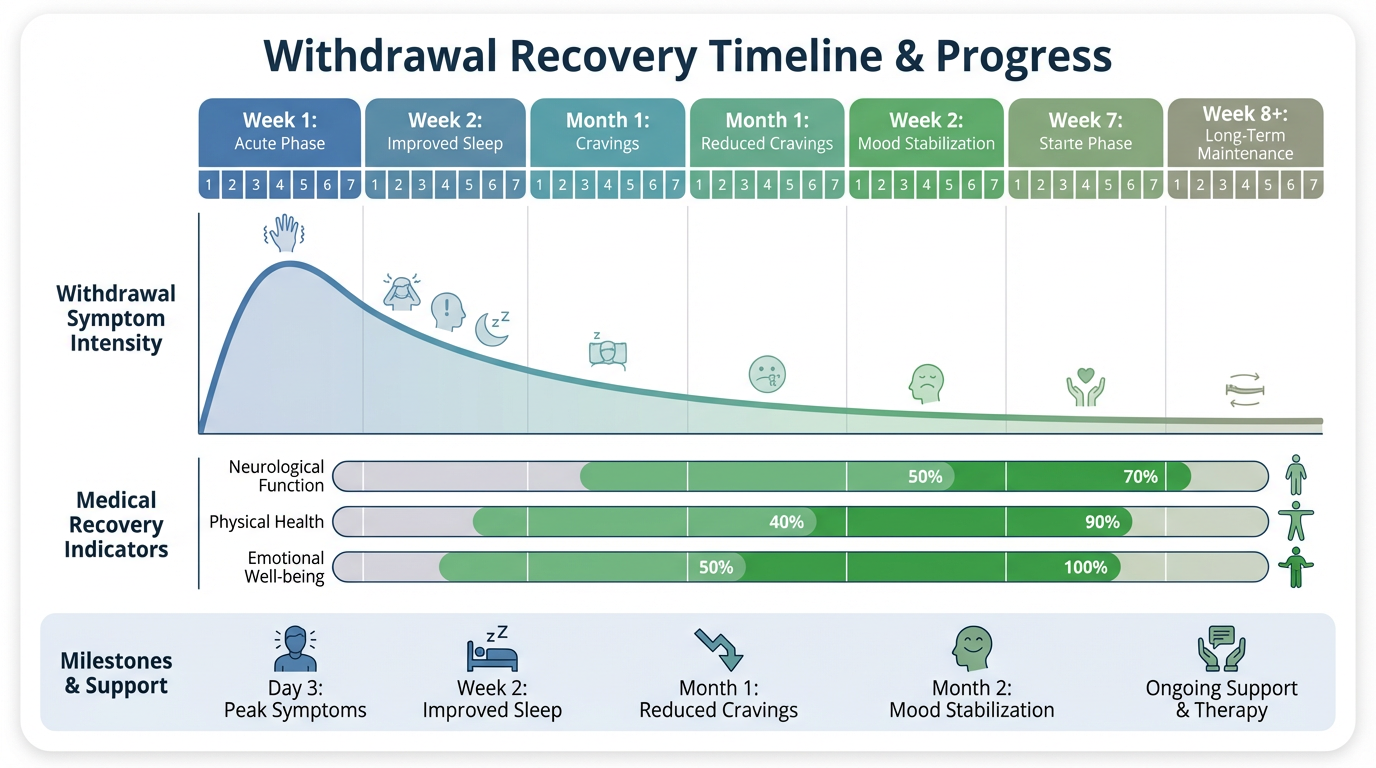
- Peak discomfort: Days 2-3
- Acute withdrawal: Days 1-7
- Adjustment period: Weeks 2-4
- Mostly free: Month 2+
- Complete freedom: Month 3-6
The encouraging truth: The worst is over quickly. Most physical symptoms resolve within 2 weeks. You can absolutely do this.
Hour-by-Hour: The First Day
Hours 1-4 (After last pouch)
What’s happening:
- Nicotine levels in blood start dropping
- Body hasn’t noticed yet
- No significant symptoms
What you’ll feel:
- Probably normal
- Maybe slight awareness that something’s different
- Possible mild restlessness
What to do:
- Stay busy
- Don’t focus on the clock
- Have alternatives ready but don’t use them compulsively yet
Hours 4-8
What’s happening:
- Nicotine at 50% of peak levels
- Brain starting to notice reduced dopamine
- Body beginning mild stress response
What you’ll feel:
- First real cravings appear
- Slight irritability
- Difficulty concentrating
- Restlessness increasing
What to do:
- Use nicotine-free alternatives if needed
- Stay hydrated
- Light physical activity helps
- This is still manageable
Hours 8-12
What’s happening:
- Nicotine levels dropping significantly
- Withdrawal officially beginning
- Stress hormones increasing
What you’ll feel:
- Cravings becoming more frequent
- Mood changes noticeable
- Possible headache starting
- Appetite may increase
What to do:
- Eat regular meals
- Continue hydrating
- Use alternatives
- Plan an early bedtime if possible
Hours 12-24 (End of Day 1)
What’s happening:
- Most nicotine cleared from blood
- Brain in early withdrawal mode
- Body adjusting to absence
What you’ll feel:
- Consistent cravings
- Definite mood changes
- Sleep may be disrupted
- Sense of accomplishment (you made it 24 hours)
What to do:
- Acknowledge the milestone
- Try to sleep (it helps time pass)
- Tomorrow will be harder—rest now
Day-by-Day: The First Week
Day 2: Intensification
Withdrawal level: 7/10
What’s happening:
- Nicotine completely out of blood
- Brain chemistry adjusting
- Peak withdrawal approaching
Common symptoms:
- Strong, frequent cravings
- Irritability (may snap at people)
- Difficulty concentrating
- Headaches
- Fatigue OR restlessness
- Increased appetite
- Sleep disruption
What to do:
- Lower expectations for productivity
- Warn people around you
- Use alternatives liberally
- Physical movement helps
- This is temporary—keep going
Day 3: The Peak
Withdrawal level: 9/10
What’s happening:
- Peak withdrawal symptoms
- Brain most confused by nicotine absence
- Cravings at maximum intensity
Common symptoms:
- Intense, almost constant cravings
- Significant mood swings
- Brain fog at its worst
- Physical discomfort (headache, body aches)
- Anxiety or depression feelings
- Strong urges to “just have one”
What to do:
- Survive. That’s the goal.
- Remember: this is the worst it gets
- After today, it improves
- Use every tool available
- Reach out to support people
- Avoid major decisions or confrontations
Day 4: The Turn
Withdrawal level: 6/10
What’s happening:
- Past the peak
- Brain beginning to stabilize
- Physical symptoms starting to ease
Common symptoms:
- Cravings still present but less constant
- Mood improving slightly
- Energy starting to return
- Concentration improving
- Sleep normalizing
What to do:
- Notice the improvement (it’s real)
- Don’t get overconfident
- Continue tracking in Snuuze
- Build on momentum
Day 5: Improvement
Withdrawal level: 5/10
What’s happening:
- Significant physical recovery
- Brain adapting to nicotine absence
- New patterns forming
Common symptoms:
- Cravings come in waves (not constant)
- Mood more stable
- Energy closer to normal
- Clearer thinking
- Better sleep
What to do:
- Start building new routines
- Notice triggers and plan for them
- Reduce alternative use slightly
- Celebrate progress
Days 6-7: One Week Victory
Withdrawal level: 4/10
What’s happening:
- Physical addiction largely broken
- Brain chemistry stabilizing
- Major milestone reached
Common symptoms:
- Occasional cravings (triggered, not random)
- Near-normal energy
- Improved mood
- Better concentration
- Regular sleep returning
What to do:
- Celebrate one week free
- Log milestone in your app
- Plan for Week 2
- Don’t let guard down—triggers can surprise you
Week-by-Week: The First Month
Week 2: Stabilization
Withdrawal level: 3/10
What’s normal:
- 2-4 cravings per day (vs constant)
- Triggered by specific situations
- Energy mostly normal
- Sleep quality good
- Mood stable with occasional dips
Focus areas:
- Identify remaining triggers
- Reduce nicotine-free pouch use
- Build replacement habits
- Notice physical improvements (gum health, energy)
Challenges:
- Triggers can catch you off guard
- False confidence (“I’ve got this, one won’t hurt”)
- Boredom cravings
Week 3: New Patterns
Withdrawal level: 2/10
What’s normal:
- 1-2 cravings per day
- Most situations handled without thinking about pouches
- Physical symptoms gone
- Mental clarity returned
- Noticeable health improvements
Focus areas:
- Solidify new habits
- Continue tracking (accountability matters)
- Plan for Month 2
- Consider helping others who are quitting
Challenges:
- Complacency (“I’m basically cured”)
- Major stress events can trigger strong cravings
- Social situations where others use
Week 4: One Month Free
Withdrawal level: 1/10
What’s normal:
- Rare cravings (a few per week)
- Don’t think about pouches most of the time
- Full physical recovery
- Clear psychological benefits
- Significant money saved
Celebration:
- You’ve broken the addiction
- The hardest month is behind you
- You’ve proven you can do this
What’s next:
- Maintenance mode
- Stay vigilant but not paranoid
- Build on your success
Month 2-3: Extended Recovery
What Happens
Physical:
- Complete recovery
- Gums fully healed
- Cardiovascular improvements
- Normal energy permanently
Psychological:
- Cravings become very rare
- Triggers lose power
- New habits are automatic
- Start forgetting about pouches
Lifestyle:
- Money accumulating
- Social situations easier
- No more planning around pouches
- Mental freedom
Challenges to Watch For
Romanticizing the past: “Pouches weren’t that bad… maybe just one…”
Reality: Your brain is editing memories. Remember the bad parts: addiction, cost, gum damage, lack of control.
Major stress: Big life events can trigger unexpected cravings even after months.
Plan: Have an emergency response ready. Know who to call. Have alternatives available.
Overconfidence: “I could probably use occasionally now…”
Reality: There’s no such thing as occasional use for former addicts. One leads back to regular use.
Month 6+: Freedom
By six months, most people:
- Never think about pouches
- Consider themselves non-users (not “quitters”)
- Have saved substantial money
- Have significantly better health
- Can’t imagine going back
Cravings may occasionally appear—usually during major stress or unexpected triggers. They pass quickly. They don’t control you.
Factors That Affect Your Timeline
Longer/More Intense Withdrawal
- Heavy use (10+ pouches/day)
- High nicotine strength (6mg+)
- Long usage history (years)
- Previous failed quits
- Other substance dependencies
Shorter/Milder Withdrawal
- Light use (under 5 pouches/day)
- Lower nicotine strength (3mg)
- Shorter usage history
- First quit attempt
- Strong support system
What Doesn’t Help
- “Cutting back” without quitting (just prolongs suffering)
- Switching to another nicotine product
- Going through withdrawal alone
- No tracking or accountability
Symptoms That Require Medical Attention
Normal withdrawal is uncomfortable but not dangerous. Contact a doctor if you experience:
- Severe depression or thoughts of self-harm
- Chest pain or heart irregularities
- Inability to eat or drink
- Symptoms that worsen after Day 4 (should improve)
- Anything that feels seriously wrong
When in doubt, seek medical advice.
Your 2026 Withdrawal Survival Kit
Physical:
- Nicotine-free pouches
- Strong mint gum
- Mints
- Water bottle
- Healthy snacks
- Pain reliever for headaches
Digital:
- Snuuze app for tracking
- Support contact numbers saved
- This article bookmarked
Psychological:
- List of reasons you’re quitting
- Support people identified
- Plan for Days 2-3
- Rewards for milestones
The Withdrawal Promise
Here’s what I can promise:
-
It will be uncomfortable. Don’t let anyone tell you otherwise.
-
It’s temporary. The worst lasts 3-4 days. Full recovery takes 2-4 weeks. That’s a small price for lifetime freedom.
-
It gets easier. Every single day after Day 3 is easier than the day before.
-
You can do it. Millions of people have quit nicotine. There’s nothing special about them that you don’t have.
-
It’s worth it. On the other side is freedom, health, money, and control of your life.
Start Your Timeline
Your withdrawal timeline starts whenever you decide. Every day you wait is another day of addiction.
Track your journey: Download Snuuze to log your progress through withdrawal. Watching yourself move through the timeline—Day 1, Day 3, Week 1, Month 1—makes the process concrete and manageable.
2026 can be your freedom year. The withdrawal timeline is finite. The freedom is forever.
Let’s go.