- 23 Dec, 2025
New Year, No Nicotine: Your Complete 2026 Quit Plan
It’s almost 2026. Another year, another chance to make “quit Zyn” more than just a resolution that fades by February. This year can be different—if you have a real plan.
This isn’t about willpower or white-knuckling through January. It’s about setting yourself up for success with a week-by-week strategy that actually works. Here’s your complete guide to making 2026 the year you break free from nicotine pouches for good.
Why New Year’s Is Actually a Great Time to Quit
Despite the jokes about failed resolutions, the new year offers real advantages:
Fresh start psychology: There’s genuine power in the “clean slate” feeling. Your brain responds to symbolic new beginnings.
Built-in motivation: You’re already reflecting on changes. Channel that energy toward your quit.
Social support: Others are making changes too. You’re not alone in wanting to improve.
Holiday buffer: If you start prep now, you can quit after the holiday stress passes but before the New Year energy fades.
12-month timeline: A full year ahead gives you perspective. By this time next year, you’ll have been nicotine-free for months.
The Pre-Quit Phase: December 21-31
Don’t wait until January 1st to start—use the last days of December to set the foundation.
Week of December 21-27: Awareness & Preparation
Track your current usage: Download Snuuze and log every pouch for one week. You need to know:
- How many pouches per day
- What strength you use
- When you use (triggers and timing)
- What prompts use (stress, boredom, habit)
This data will guide your quit strategy.
Gather your supplies:
- Nicotine-free pouches (2-3 cans)
- Strong mint gum (multiple packs)
- Mints for your pocket
- Water bottle (hydration helps)
Choose your quit date: We recommend January 2nd or 3rd. Here’s why:
- January 1st often involves celebrations and less-than-ideal conditions
- Gives you a day to recover from New Year’s Eve
- Still captures the “new year” momentum
- Falls on a Thursday/Friday in 2026, letting you hit Day 3 (the hardest) over the weekend
Tell people: Identify 2-3 people who will support you:
- Partner or close family member
- Friend who’s supportive
- Someone who’s quit something themselves
Let them know your quit date and ask them to check in during the first week.
December 28-31: Final Prep & Mental Shift
Reduce if you can: Without pressure, try to use slightly less these last few days. Even a small reduction makes the first week easier.
Identify your triggers: Review your tracking data. When do you use most?
- Morning with coffee?
- After meals?
- During work stress?
- When bored?
- Before bed?
Write these down. You’ll need replacement strategies for each.
Plan your first 3 days: Day 1-3 are hardest. Build your schedule:
- Clear unnecessary obligations
- Prep easy meals (less decision fatigue)
- Schedule light activities that keep you busy
- Have your alternative products accessible everywhere
Write your “why”: On paper (not just in your head), write down why you’re quitting:
- Health reasons
- Financial reasons
- Freedom from addiction
- Setting an example
- Proving you can
Put this somewhere you’ll see it during tough moments.
Week 1: January 2-8 (The Acute Phase)
This is it. The hardest week. Here’s how to survive each day:
Day 1 (January 2): Launch Day
Morning:
- Remove all nicotine pouches from your environment
- Have alternatives ready (gum, mints, nicotine-free pouches)
- First craving will likely hit—it’s manageable
- Tell yourself: “I just need to get through today”
Afternoon:
- Cravings may intensify
- Use alternatives liberally
- Go for a 15-minute walk if possible
- Drink lots of water
Evening:
- Celebrate making it through Day 1
- Log your day in Snuuze
- Go to bed early if possible
Day 2 (January 3): Intensification
What to expect:
- Stronger cravings
- Possible irritability
- Difficulty concentrating
- Restlessness
Survival strategy:
- Keep busy with low-stakes tasks
- Don’t schedule anything high-pressure
- Physical movement helps (even a walk)
- Lean on your support people
- Remember: Day 3 is the peak, then it gets easier
Day 3 (January 4): Peak Day (Saturday)
Why Saturday is ideal:
- No work obligations
- Can rest if needed
- Can be irritable without professional consequences
- Have space to take care of yourself
The Day 3 plan:
- Accept that this is the hardest day
- Lower all expectations
- Have comfort activities ready (movies, games, whatever relaxes you)
- Use alternatives as much as you need
- Move your body (releases natural dopamine)
- By evening, the worst is passing
Days 4-5 (January 5-6): The Turn
What happens:
- Cravings begin to ease
- Brain fog starts lifting
- Physical withdrawal symptoms decrease
- You start feeling glimpses of normal
What to do:
- Notice the improvement
- Start building new routines around old triggers
- Continue tracking progress
- Don’t get overconfident—stay vigilant
Days 6-7 (January 7-8): Building Momentum
By now:
- Physical addiction is mostly broken
- Cravings come in waves, not constantly
- Energy is returning
- One week is in sight
Celebrate:
- You’ve done the hardest part
- Treat yourself (not with nicotine!)
- Share your success with supporters
- Update your tracking app
Week 2: January 9-15 (Stabilization)
The acute phase is over. Now you’re building new patterns.
Goals for Week 2:
Identify remaining triggers: Which situations still prompt strong cravings?
- Note them
- Develop specific strategies for each
Reduce alternative dependence: If you’ve been using nicotine-free pouches heavily, start tapering:
- Week 1: Use freely
- Week 2: Aim to reduce by 25%
- Week 3: Reduce by another 25%
Establish new routines: Replace old nicotine moments with new habits:
- Morning coffee + pouch → Morning coffee + 5 deep breaths
- Post-lunch pouch → Post-lunch walk
- Stress pouch → Stress breathing exercise
Notice changes: Pay attention to improvements:
- Better sleep?
- Steadier energy?
- Clearer thinking?
- Better taste/smell?
Document these. They’re evidence that quitting is working.
Weeks 3-4: January 16-31 (New Normal)
By mid-January, you’re establishing your non-user identity.
Week 3 Focus:
Psychological work: The physical addiction is broken. What remains is mental:
- Habit memory (“I always used to…”)
- Emotional association (“pouches helped me relax”)
- Identity questions (“am I a Zyn person?”)
Reframe actively:
- “I used to use nicotine pouches. Now I don’t.”
- “I handle stress without substances.”
- “I’m someone who broke free.”
Handle unexpected triggers: Things that didn’t bother you before might suddenly trigger cravings:
- Seeing someone else use
- Smelling mint
- Stressful situations
- Celebratory situations
Have your strategies ready. These moments pass.
Week 4 Focus:
Consolidate gains: By month’s end:
- Most cravings are rare and mild
- New habits are forming
- You’re saving money
- Health improvements are noticeable
Look ahead:
- What will you do with the money saved?
- How will you handle February (when New Year motivation fades)?
- What’s your plan for stress that doesn’t involve nicotine?
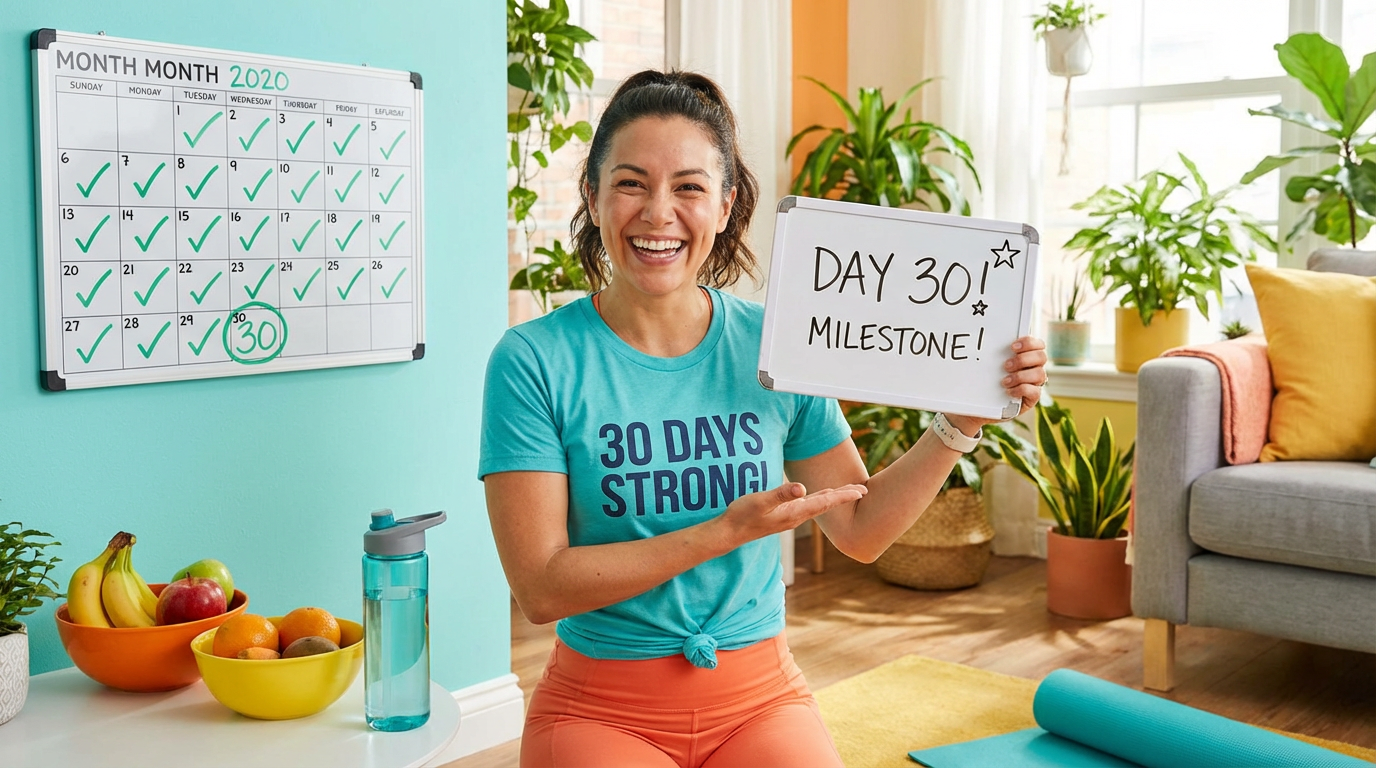
Celebrate January: You made it through the hardest month. One month nicotine-free is a major accomplishment. Mark it somehow—you earned it.
February and Beyond: Maintenance
The first month is foundation. Here’s how to build on it:
Month 2 (February):
Watch for:
- Resolution fatigue
- Nostalgia for pouches
- Rationalizing “just one”
Counter with:
- Reviewing your tracking data
- Remembering Day 3
- Connecting with community
- Remembering your “why”
Month 3 (March):
Expect:
- Rare cravings
- Strong sense of freedom
- Real financial savings accumulated
- Clear health improvements
Do:
- Continue tracking (accountability matters)
- Share your success
- Help someone else who wants to quit
Month 6 (June):
By now:
- You’re a non-user, not someone “quitting”
- Cravings are rare (monthly or less)
- You’ve saved $300-1,000
- Risk factors are declining
Month 12 (December 2026):
Achievement:
- One full year nicotine-free
- $600-2,000 saved
- Cardiovascular risk significantly reduced
- Complete psychological freedom
Tools for Your 2026 Quit
Essential:
- Snuuze app – Track usage, progress, money saved
- Nicotine-free pouches – Physical substitute
- Strong gum/mints – Alternative oral satisfaction
- Support person – Someone who knows and checks in
Helpful:
- Journal – Process emotions and track changes
- Calendar with quit date – Visual commitment
- Savings tracker – See the money accumulate
- Exercise routine – Natural dopamine boost
Common January Quit Mistakes (And How to Avoid Them)
Mistake 1: Quitting January 1st with no preparation Better: Use late December to prepare, quit January 2-3
Mistake 2: White-knuckling with no alternatives Better: Have substitutes ready and use them freely at first
Mistake 3: Keeping “emergency” pouches around Better: Remove all nicotine products from your environment
Mistake 4: Not telling anyone Better: Have 2-3 support people who know and check in
Mistake 5: Expecting to feel normal immediately Better: Accept that Week 1-2 will be hard, and that’s okay
Mistake 6: Giving up after a slip Better: If you slip, restart immediately—don’t wait for another “perfect” day
Your 2026 Quit Checklist
December 21-27:
- Download Snuuze and start tracking
- Buy alternative products
- Choose quit date (Jan 2 or 3 recommended)
- Tell 2-3 support people
December 28-31:
- Write your “why”
- Identify triggers from tracking data
- Plan first 3 days
- Remove nicotine products on quit eve
January Week 1:
- Survive Day 1-3
- Use alternatives liberally
- Track every day
- Lean on support
January Week 2:
- Build new routines
- Start reducing alternatives
- Notice improvements
- Stay vigilant
January Week 3-4:
- Solidify non-user identity
- Handle unexpected triggers
- Celebrate one month
- Plan for February
The Promise of 2026
One year from now, you could be someone who used to use nicotine pouches. The addiction could be a memory. The money could be in your bank account. The health risks could be fading.
Or you could be in the same place you are now, with another year of dependency behind you.
The choice is yours. But you don’t have to choose alone.
Start your 2026 quit today. Download Snuuze to track your journey, connect with 800,000+ others making the same change, and turn this New Year’s resolution into lasting freedom.
2026 can be the year everything changes. It starts with a decision. It continues with a plan. And it succeeds with support.
Happy New Year. Let’s make it nicotine-free.