- 20 Dec, 2025
I Quit Zyn After 3 Years: What I Wish I Knew Earlier
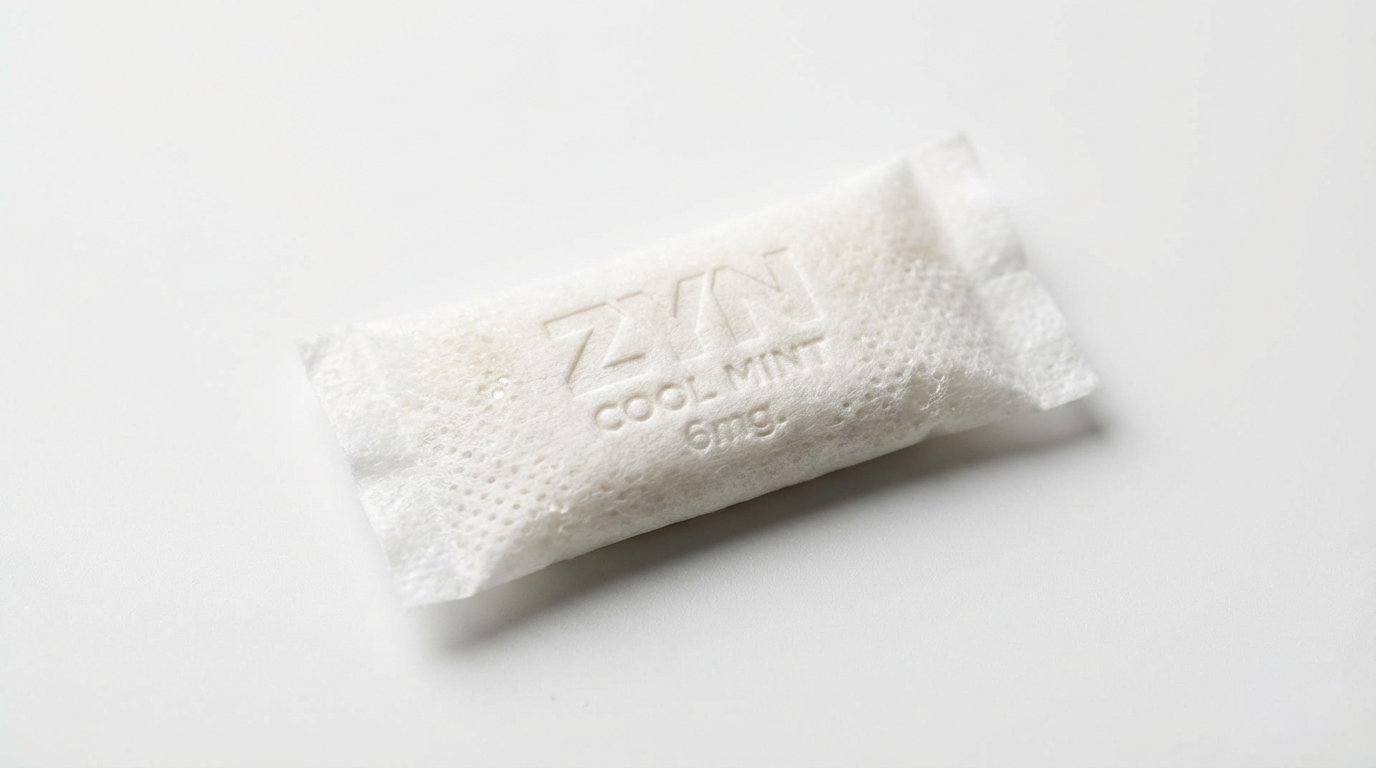
Three years. That’s how long I spent tucking small white pouches against my gum before I finally quit for good. I started thinking it was harmless—no smoke, no vapor, what’s the big deal? I ended up spending thousands of dollars, damaging my gums, and organizing my entire life around making sure I never ran out.
This is my story. Not because my experience is special, but because I made every mistake in the book. Maybe you can skip some of them.
How It Started (The Classic Story)
I was 26, working a high-pressure job in tech. A coworker offered me a Zyn during a stressful product launch. “It’s just nicotine,” he said. “No tobacco, no tar, no big deal.”
That first pouch gave me a weird head rush and mild nausea. I didn’t like it.
Two weeks later, I tried another. Then another.
Within a month, I was buying my own cans. Within three months, I couldn’t imagine getting through a workday without them. It happened faster than I ever thought possible.
The Denial Phase (Year 1)
For the first year, I genuinely believed I wasn’t addicted.
My rationalizations:
- “I could quit anytime, I just don’t want to”
- “It’s helping me focus at work”
- “At least it’s not cigarettes”
- “Everyone has some vice”
Meanwhile, the signs were everywhere:
- Panic when I realized I was down to my last can
- Checking pocket for my tin before leaving anywhere
- Using in the bathroom at family events to hide it
- Spending $150+ per month without thinking about it
What I wish I knew: Addiction doesn’t announce itself. If you’re defending your habit this much, you’re probably already hooked.
The Escalation Phase (Year 2)
By year two, my usage had doubled.
I started with 3mg pouches, maybe 5-6 per day. By the middle of year two:
- 6mg pouches exclusively
- 10-12 pouches per day
- First pouch within 5 minutes of waking
- Last pouch right before sleep
My gums started showing damage. The spot where I always placed pouches became permanently irritated—red, sometimes raw. My dentist asked if I was using smokeless tobacco. I lied.
Physical symptoms I ignored:
- Persistent gum sensitivity
- Occasional mouth sores that wouldn’t heal
- Heart racing sometimes with the stronger pouches
- Needing pouches to feel “normal,” not to feel good
The money reality: I did the math one day. I’d spent over $3,000 on Zyn. For what? To maintain a dependency I’d created from nothing.
What I wish I knew: Tolerance is a warning sign, not a reason to use more. When you need more to feel the same, you’re not “getting better at it”—you’re getting more addicted.
The Failed Quits (Late Year 2 into Year 3)
I tried to quit three times before it stuck.
Attempt #1: Cold Turkey (Lasted 4 days)
I threw away my cans on a Sunday night. By Wednesday afternoon, I was so irritable that I snapped at my boss in a meeting. Thursday morning, I bought a can “just to take the edge off.”
What went wrong: No preparation, no support, no alternative strategies.
Attempt #2: “Cutting Back” (Lasted 2 weeks)
I decided to reduce from 10 to 5 pouches per day. For about two weeks, I white-knuckled through, constantly counting and rationing.
Then I had a bad day at work. “Just one extra,” I told myself. Within a week, I was back to my normal usage.
What went wrong: Reduction without elimination keeps the addiction alive. I was still chemically dependent, just suffering more.
Attempt #3: Switching to Nicotine Gum (Lasted 3 weeks)
I replaced pouches with Nicorette. This actually helped initially—same nicotine, different format. But I never actually reduced the gum. I just traded one habit for another.
Eventually, I started using both. Gum AND pouches. Now I was spending even more.
What went wrong: I substituted without a plan to eliminate. NRT is a tool, not a solution.
What Finally Worked (The Successful Quit)
Attempt #4 was different. Here’s what changed:
1. I Got Honest
I stopped pretending I could quit “whenever I wanted.” I admitted to myself—and to a few close friends—that I was genuinely addicted and that it was affecting my life.
This honesty removed the shame. Instead of hiding and failing alone, I had people who knew what I was going through.
2. I Educated Myself
I learned how nicotine addiction actually works:
- The dopamine hijacking
- The withdrawal timeline
- Why certain strategies fail
- What successful quitters do differently
Understanding the science made it feel less like a personal failure and more like a puzzle to solve.
3. I Planned the Quit
Instead of impulsively throwing away cans, I prepared:
- Chose a quit date two weeks out
- Stocked up on nicotine-free pouches and gum
- Cleared my calendar of major stressors that week
- Downloaded a tracking app to monitor progress
- Told my partner and two close friends
4. I Tracked Everything
I used Snuuze to log every craving, every trigger, every day without nicotine. Watching the streak grow gave me something to protect. Seeing patterns in my triggers helped me prepare for them.
5. I Replaced, Then Reduced
For the first two weeks, I used nicotine-free pouches liberally. I wasn’t trying to eliminate the habit yet—just the nicotine. I probably went through a can of nicotine-free every two days.
Then I gradually reduced. By week four, I was down to 3-4 nicotine-free pouches. By week six, I’d sometimes forget about them entirely.
6. I Pushed Through the Hard Days
Days 2-4 were brutal. I was irritable, foggy, and craving constantly. But I knew from research that this was the peak. I lowered my expectations, told people around me what was happening, and just survived.
By day 7, it was noticeably easier. By day 14, I felt like a different person.
The Unexpected Benefits
Things I didn’t expect when I quit:
Better sleep: I didn’t realize nicotine was disrupting my sleep until it wasn’t. Now I fall asleep faster and wake up more rested.
Steadier energy: No more artificial spikes and crashes. My energy throughout the day is more consistent.
Less anxiety: This surprised me most. I thought Zyn helped my anxiety. Turns out, it was causing most of it through constant low-level withdrawal.
More money: I’ve saved over $1,500 since quitting. That’s a vacation. Multiple vacations.
Mental freedom: I don’t check my pocket for a tin anymore. I don’t panic when I can’t find my can. I don’t excuse myself to use in private. I’m just… free.
Healthier gums: My dentist noticed at my next checkup. The irritation is gone. The sore spots have healed.
Lessons I’d Tell My Past Self
”Harmless” is a Lie
Nicotine pouches aren’t cigarettes, but that doesn’t make them harmless. I caused real damage to my gums and spent a small fortune on a dependency that added nothing to my life.
Addiction Creeps
Nobody plans to get addicted. The progression from casual to dependent happens gradually, then suddenly. By the time you realize it, you’re deep in.
You’re Not Special
I thought I could use moderately, that addiction happened to other people. It doesn’t work like that. Nicotine doesn’t care about your intentions.
Failed Quits Aren’t Failures
My first three attempts weren’t wasted—they taught me what didn’t work. Each attempt built knowledge and resilience. The fourth attempt succeeded because of what I learned from the first three.
The Only Way Out Is Through
There’s no hack, no shortcut, no painless path. You have to experience withdrawal. It lasts 2-3 weeks. And then it’s over. The temporary discomfort is worth the permanent freedom.
You’ll Wonder Why You Waited
On the other side of addiction, everything seems clearer. I can’t believe I spent three years defending a habit that was actively making my life worse. Quitting is one of the best decisions I’ve ever made.
What I’d Do Differently
If I could restart, here’s what I’d change:
-
Quit at month 3, not year 3. The moment I realized I was dependent, I should have acted. Waiting just meant more money spent and deeper addiction.
-
Track from the start. Having data on my usage would have shown me the escalation in real time.
-
Tell people immediately. The secrecy added shame. Openness brought support.
-
Use nicotine-free alternatives from day one. They made such a difference in my successful quit.
-
Be patient with the process. Quitting isn’t an event—it’s a transition. Giving myself grace during the hard weeks made them survivable.
Where I Am Now
It’s been 8 months since my last nicotine pouch. I don’t miss it.
Sometimes I smell mint and think of Zyn for a split second. Then I remember the panic of running out, the gum damage, the wasted money, the constant management of my addiction—and the thought passes.
I’m not white-knuckling. I’m not resisting constant cravings. I’m just someone who doesn’t use nicotine anymore. It feels completely normal, like it was never part of my life.
That’s what’s waiting for you on the other side.
Your Turn
If you’re where I was—defending your habit, telling yourself you’re in control, planning to quit “someday”—I have one question:
What are you waiting for?
The quit won’t be easy. But it will be worth it. And it will end. And on the other side is a version of yourself that’s free from constantly managing a chemical dependency.
Start tracking today. Download Snuuze and join 800,000+ people on the same journey. Set your quit date. Prepare your toolkit. Tell someone.
I wasted three years. You don’t have to.
The best time to quit was before you started. The second best time is now.